
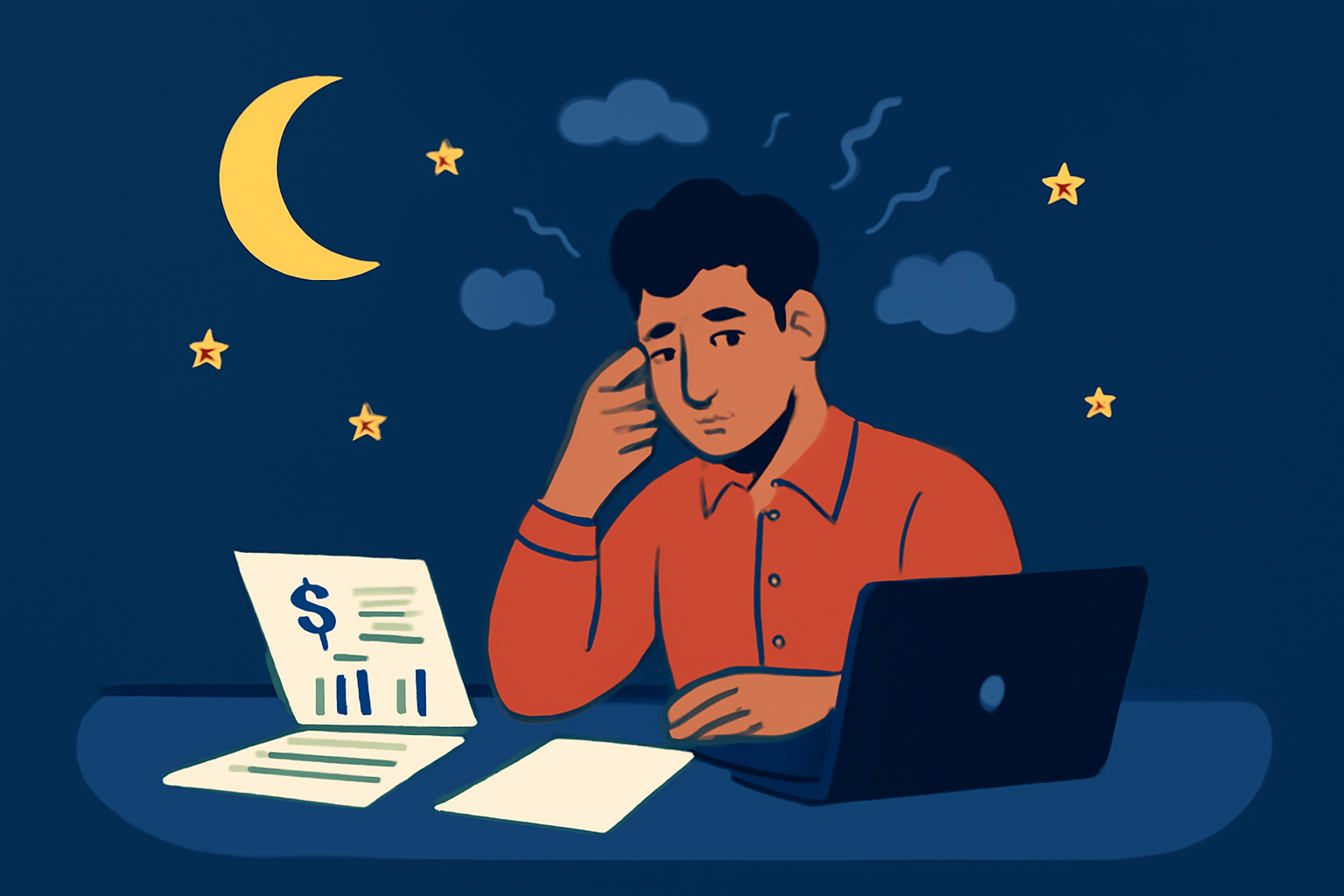
The financial stability of a small business impacts both the personal and professional lives of its owner, often creating a cycle of stress that revolves around monetary concerns. Financial anxieties manifest due to variable cash flow, fluctuating demand, and unforeseen expenses which can challenge the business's viability.
Owners frequently assume personal liability for business debts, resulting in pressure that blends personal financial risk with business challenges. This risk is exacerbated by periods of economic instability when access to credit may be restricted, increasing the owner's anxiety over meeting payroll obligations, maintaining stock levels, and managing vendor relationships.
The psychological impact of financial strain often includes diminished decision-making abilities, reduced capacity for strategic planning, and impaired problem-solving as constant stress takes a toll. In some cases, it might lead to burnout, fueled by the constant need to balance fiscal demands with personal life, a task that can be particularly daunting without a financial safety net or sufficient resources.
Navigating these fears requires adept financial management skills, a structured approach to forecasting and budgeting, and sometimes, professional advice to implement effective financial strategies. The emotional resilience and flexibility needed to balance immediate financial concerns with long-term strategic planning are crucial for mitigating these pervasive fears.