
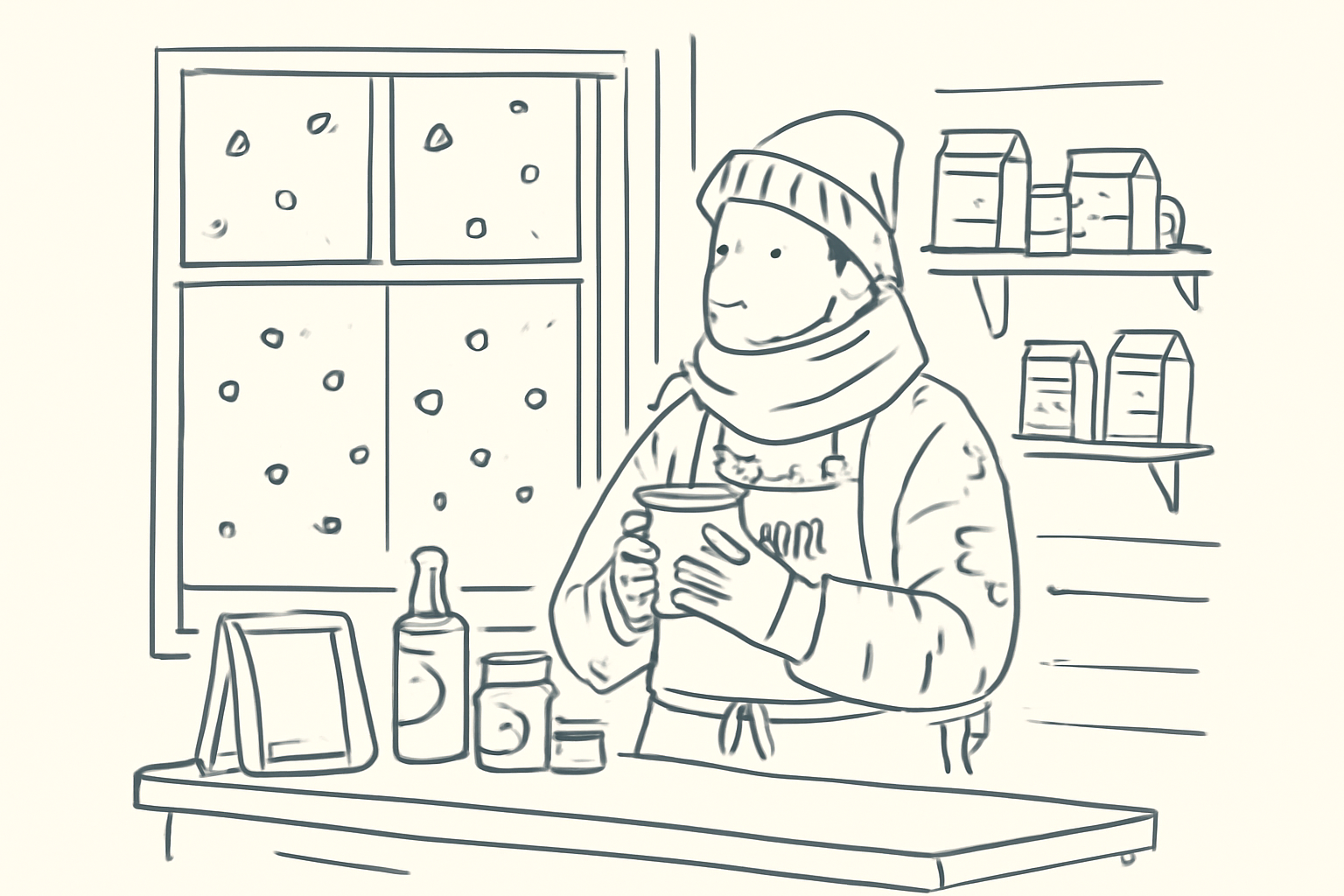
The seasonal downturn in sales during winter poses significant challenges for small business owners, particularly those in industries sensitive to seasonal changes such as retail, tourism, and hospitality. While the decline in demand is a predictable aspect of seasonal business cycles, it can have profound emotional and psychological impacts on owners.
The stress of meeting financial obligations—such as payroll, rent, and supplier payments—during periods of reduced income can exacerbate anxiety and lead to burnout. Owners may experience pressure to maintain liquidity and manage cash flow effectively to avoid business interruptions. This financial strain can also lead to personal sacrifices, reducing personal spending to support business needs.
Psychological impacts include feelings of uncertainty and insecurity about the long-term viability of the business. This is often coupled with self-doubt and concern over whether the downward trend will reverse. The emotional burden can intensify isolation, as owners may hesitate to share these stresses with peers or family, fearing it could undermine their confidence or credibility.
Proactively addressing these challenges involves strategic planning and mental health considerations. Financial strategies may include diversifying revenue streams, adjusting marketing tactics to attract off-season business, and developing a robust contingency plan. From a psychological perspective, building a support network of fellow business owners or engaging with professional advisors can provide perspective and share coping strategies.
Embracing self-care practices and setting realistic expectations for personal and professional balance are critical. Acknowledging emotional responses and allowing time for recovery can help mitigate the psychological toll, enabling more effective decision-making and resilience during seasonal downturns.