
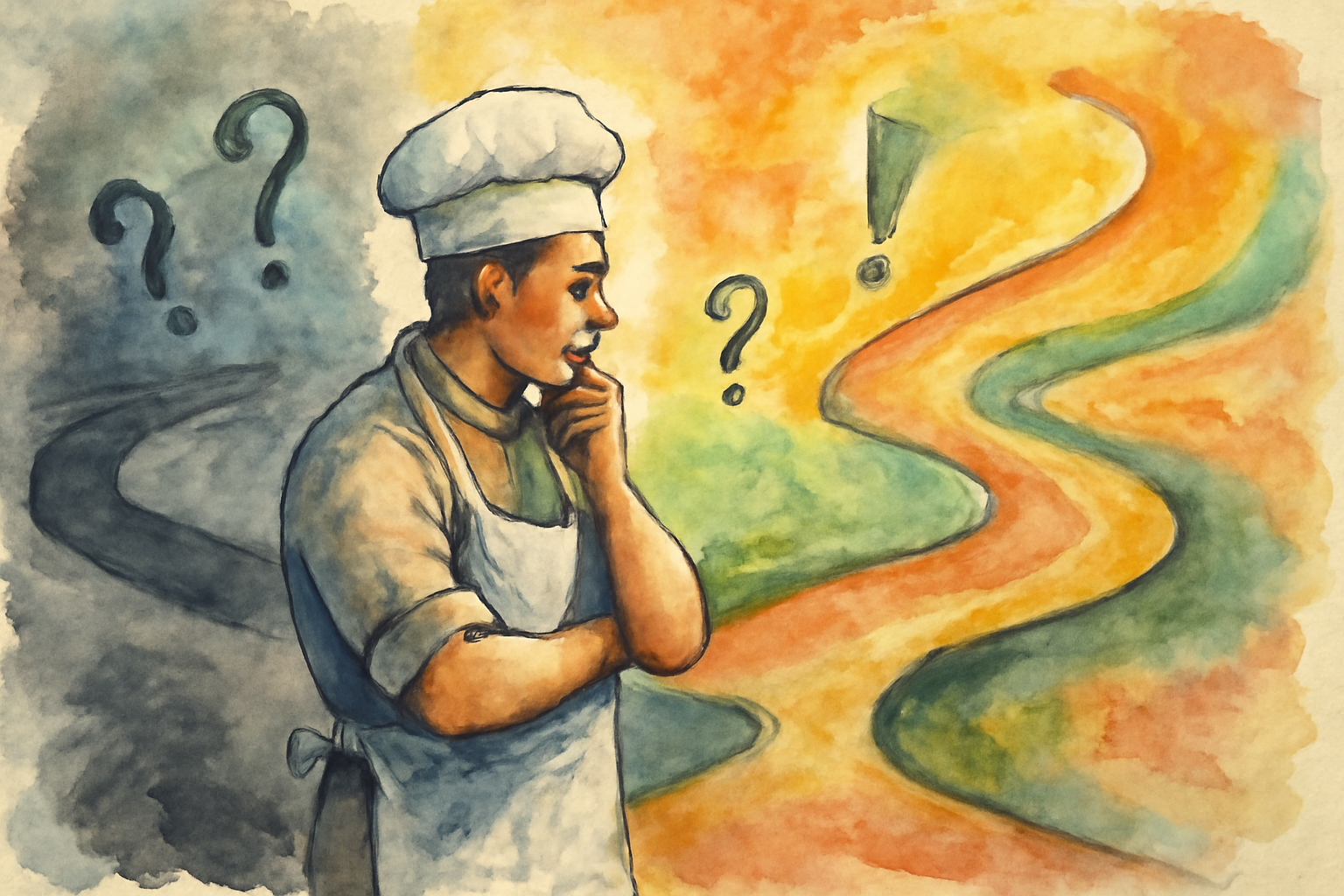
Small business owners often encounter internal conflicts and emotional hurdles that stem from the intrinsic pressures of entrepreneurship. A perennial challenge is the balancing of optimism with realism. Entrepreneurs must harbor a strong belief in their vision to motivate themselves and their teams, yet they must remain vigilant to potential pitfalls and market realities.
Decision-making under uncertainty is a persistent stressor. With decisions impacting the livelihoods of employees and the health of the enterprise, owners frequently face analysis paralysis, where accumulating data can become overwhelming rather than enlightening.
Work-life balance is typically skewed towards business priorities. This imbalance can lead to burnout, exacerbating stress levels and affecting mental health. Small business owners often work extended hours, and the blurring of personal and professional life boundaries can diminish personal relationships and overall well-being.
Financial insecurity is another significant stressor, particularly when personal assets might be at stake. Managing cash flow, covering payroll, and anticipating unexpected expenses can create an undercurrent of worry, affecting both personal and business-related decisions.
Isolation is a common emotional challenge, as small business owners may not have a structured support network. Unlike employees who might have colleagues in similar positions, owners can feel alone in their responsibilities and stresses.
The pressure to innovate and remain competitive requires continuous learning and adaptation. Entrepreneurs often feel the burden of staying ahead, which can instigate significant mental strain as they navigate evolving technologies and shifting consumer preferences.
Ultimately, small business owners must develop resilience through these challenges, often relying on mechanisms such as mindfulness, delegation, and seeking mentorship or professional advice to mitigate the psychological toll of managing a business.